How Do You Protect Your Retirement Lifestyle as Costs Rise?
You protect your retirement lifestyle by increasing your cash flow, reducing financial pressure, and unlocking value from assets like your home, so your income keeps pace with rising costs.

How Do You Protect Your Retirement Lifestyle as Costs Rise?
If you’re feeling the pressure of rising groceries, utilities, and property taxes—you’re not alone. Many Canadian retirees are discovering that fixed incomes don’t stretch as far as they used to.
The solution isn’t just cutting back. It’s about creating a smarter, more resilient retirement plan that supports the life you want to live.
Why Rising Costs Hit Retirees Harder
Inflation affects everyone, but retirees often feel it more because their income is relatively fixed.
According to Government of Canada retirement resources, most retirees rely on a combination of:
CPP (Canada Pension Plan)
OAS (Old Age Security)
Personal savings or pensions
These sources don’t always keep up with real-world cost increases—especially for essentials like housing and healthcare.
3 Proven Ways to Protect Your Retirement Lifestyle
1. Increase Your Retirement Cash Flow
If your income hasn’t changed but your expenses have, the gap needs to be filled.
Here are common ways retirees boost income:
Drawing more strategically from investments (RRIFs, TFSAs)
Delaying CPP or OAS (to increase monthly payouts)
Using home equity through a reverse mortgage
A reverse mortgage allows you to access tax-free cash from your home without selling or making monthly payments. For many homeowners, this becomes a powerful way to maintain lifestyle without sacrificing independence.
2. Reduce Financial Pressure Without Sacrificing Comfort
Cutting expenses doesn’t mean cutting joy—it means optimizing where your money goes.
Focus on:
Eliminating unnecessary subscriptions or services
Refinancing or restructuring debt
Downsizing selectively (if it aligns with your lifestyle goals)
The goal is to free up cash flow while still enjoying your day-to-day life.
3. Use Your Home as a Financial Tool
For many Canadians, their home is their largest asset—but it’s often underutilized in retirement.
Options include:
Downsizing and freeing up equity
Renting part of your home
Setting up a reverse mortgage
A reverse mortgage is especially helpful if you want to:
Stay in your home
Avoid monthly payments
Access funds as needed
This strategy is increasingly popular as housing values rise across Canada (source: CMHC housing data).
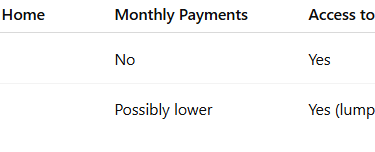
Reverse Mortgage vs Downsizing: Which Protects Your Lifestyle Better?
There’s no one-size-fits-all answer—but many retirees prefer solutions that allow them to stay in the home and community they love.
Common Mistakes to Avoid
When trying to protect your lifestyle, watch out for these pitfalls:
Waiting too long to plan: The earlier you act, the more options you have
Relying only on fixed income: Flexibility is key in an inflationary environment
Ignoring home equity: This is often your largest untapped resource
Over-cutting expenses: A restrictive lifestyle can reduce quality of life
Who This Strategy Is Best For
You may benefit from these approaches if you:
Are a homeowner aged 55+
Want to stay in your home long-term
Are feeling pressure from rising monthly costs
Prefer financial stability without major lifestyle changes
A Real-World Canadian Example
Let’s say you’re a retired couple in Ontario with a home worth $800,000 and limited monthly income beyond CPP and OAS.
Instead of downsizing, you could access a portion of your home equity through a reverse mortgage to:
Cover rising living expenses
Fund home maintenance
Maintain your lifestyle without selling
This approach gives you flexibility and peace of mind—without uprooting your life.
Final Thoughts: Protect the Life You Worked For
Retirement should feel secure—not stressful. If rising costs are starting to impact your lifestyle, it’s time to explore options that give you more control and flexibility.
As a mortgage broker specializing in reverse mortgages, I help Canadians like you understand exactly how to turn home equity into a practical retirement solution—without pressure or confusion.
If you’d like to explore what this could look like for you, booking a consultation is a simple next step.
Frequently Asked Questions
1. How do I keep up with inflation in retirement?
You can keep up by increasing income sources, adjusting withdrawals, and using assets like home equity to supplement cash flow.
2. Is a reverse mortgage safe in Canada?
Yes—reverse mortgages in Canada are regulated and designed to protect homeowners, with no requirement to make monthly payments.
3. What’s the biggest risk to my retirement lifestyle?
The biggest risk is a gap between your income and rising expenses over time.
4. Should I downsize or stay in my home?
It depends on your goals. Downsizing frees up cash, but a reverse mortgage lets you stay while accessing equity.
5. Can I run out of money with a reverse mortgage?
You cannot owe more than your home’s value, but proper planning ensures funds last as long as you need them.
6. When should I start planning for rising costs?
Ideally before retirement—but it’s never too late to improve your financial position.
7. How do I know which strategy is right for me?
A personalized plan is essential. Speaking with a mortgage professional can help you understand your best options.
About the Author
Martine Perron is a Canadian mortgage broker specializing in reverse mortgages. She helps homeowners 55+ unlock the value of their homes to support a more comfortable retirement.
Book your private consultation here: https://app.arcmortgage.ca/widget/bookings/private-consultation-with-martine-perron

Get in
touch.
604-353-9254
martine@arcmortgage.ca
Team - Arc Mortgage LTD
BRX - Arc Mortgage